
Carbon Footprint Calculator: Flight & Air Travel
We understand that travel is sometimes unavoidable. But your flights don’t have to leave a heavy carbon footprint. Offset your emissions effortlessly with carbon credits from Terrapass.
Did You Know The Average Plane Produces 500 lbs of CO2 per 1000 Miles of Flying? *
That means the amount CO2 emitted on a 1000-mile flight is equivalent to:

Planting 4 Trees

Recycling 10 Bags of Waste

Saving 26 Gallons Of Gas
Verified Carbon Projects
Your Purchase Supports a Global Portfolio of Projects
A diverse mix of verified projects, from reforestation and REDD+ to landfill gas capture, orphan well closure, industrial emission reduction, and residential solar, delivering both carbon removal and emission reduction credits.
- 3 continents
- 6 project types
- 3 independent registries

HFC Emission Reduction
A-Gas V14
This project mitigates greenhouse gas emissions by recovering and destroying high-impact HFC refrigerants.
Learn more →
Renewable Energy
Energising Indian Homes by Solar Rooftop Projects
This project supports rooftop solar in India, increasing renewable energy and reducing emissions.
Learn more →
Landfill Gas Capture
Gaston County Landfill Gas Destruction Project
The project reduces greenhouse gas emissions by capturing and destroying landfill methane.
Learn more →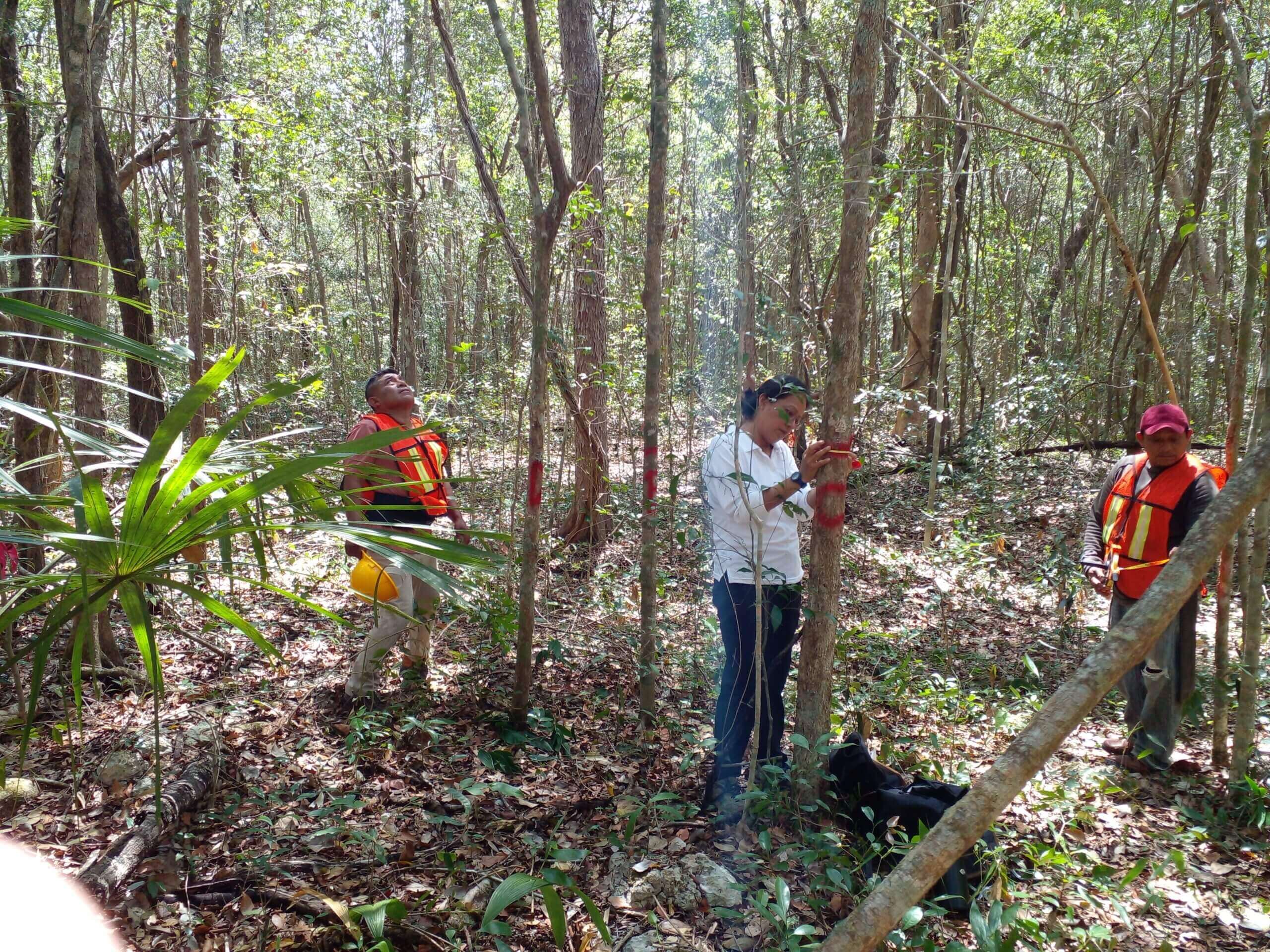
Improved Forest Management
Restauración Forestal
This project removes CO2 emissions by working with local communities to protect and restore forests.
Learn more →
REDD+
Tahuamanu Amazon REDD Project
This project protects Amazon rainforest, preserving carbon and biodiversity while reducing deforestation emissions.
Learn more →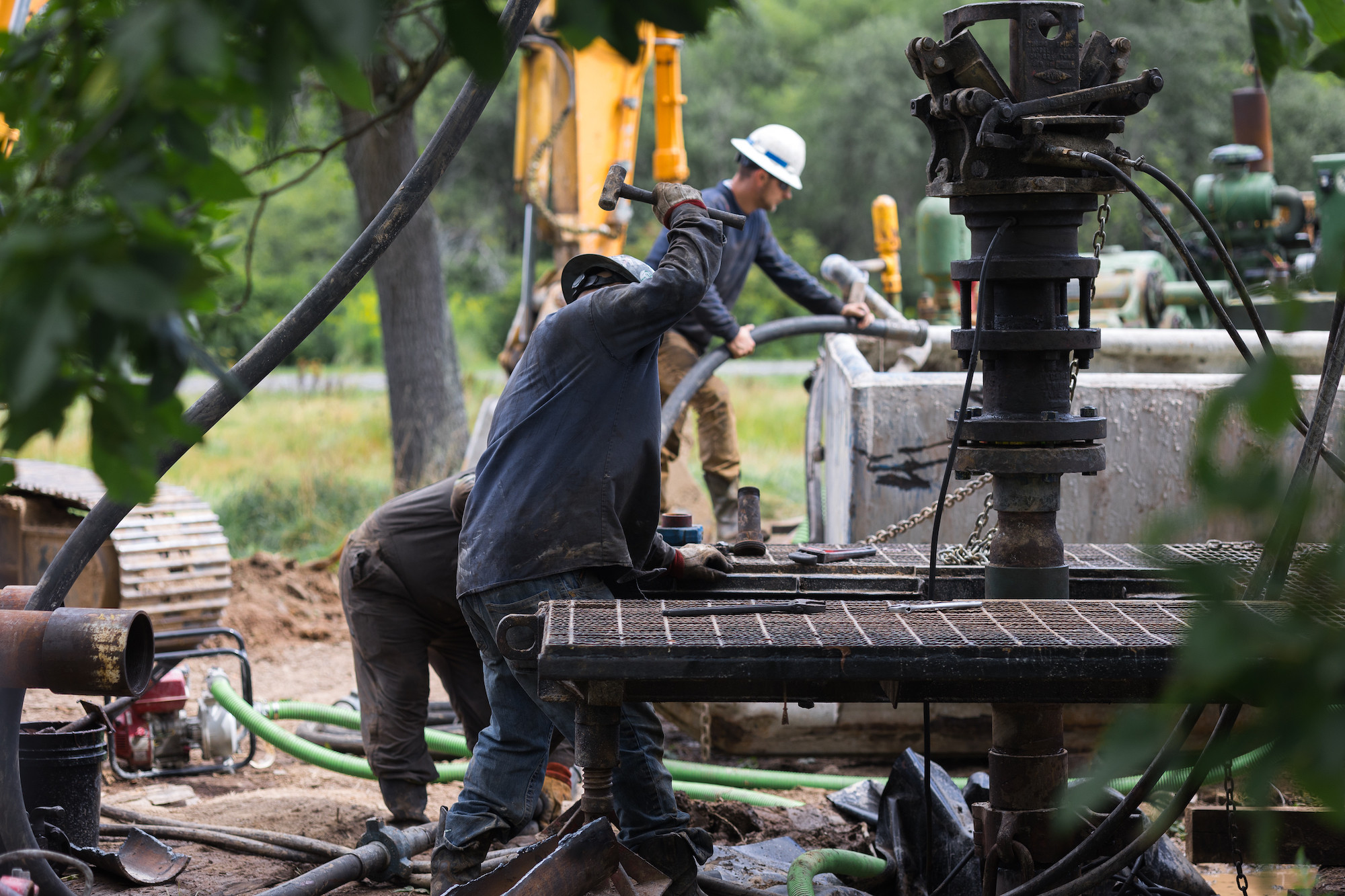
Orphan Oil & Gas Well Closure
Zefiro Methane OOG 1 – Drake
This project reduces methane emissions by permanently plugging orphaned oil and gas wells.
Learn more →FAQ
What is a carbon offset?
A carbon offset is a certificate representing the reduction of one metric ton (2,205 lbs) of carbon dioxide equivalent (CO2e) emissions, the principal cause of climate change. Although complex in practice, carbon offsets are fairly simple in theory. If you develop a project that reduces carbon dioxide emissions, every ton of emissions reduced results in the creation of one carbon offset. Project developers can then sell these offsets to help finance their projects.
What activities should I offset?
Offsets should be used for all activities that add to your carbon footprint.
We encourage individuals and organizations alike to first reduce their carbon footprint as best they can. Most of us can’t reduce our carbon footprint to zero, so offsets should be used to mitigate the impact of these remaining emissions.
For individuals, the three most common and measurable activities include:
(1) Car Travel: If you own a car, chances are that burning gasoline is a major source of carbon emissions.
(2) Home energy use: Heating, cooling, and using appliances can be a significant source of emissions for many people.
(3) Air travel: A round-trip flight between New York and Los Angeles uses about 120 gallons of jet fuel per passenger. This single trip creates CO2 emissions equal to about 2 months of driving.
Go to our calculator to calculate the emissions from these activities.
For businesses: Businesses engage in a number of activities that are carbon intensive and vary based on business type. In general, these activities include employees’ commutes, building energy use, servers and data storage, employee travel and shipping or other freight. Our corporate carbon calculator can help you assess the major components of your business’ carbon footprint, or you can contact one of our advisors.
How do I use the Flight Carbon Calculator?
Our Flight Carbon Calculator asks you to input the origin and destination for any flights you want to offset. We then calculate the distance of each of these flights. By applying some standard factors for fuel consumption during airline flights provided by the World Resource Institute, we are able to convert your total flight miles into estimated carbon dioxide emissions.
What are the benefits of buying carbon offsets?
Carbon offsets allow individuals and businesses to be accountable for their unavoidable carbon emissions. While conservation is an important first step in fighting climate change, we need to do more to reduce greenhouse gas in the atmosphere. When you purchase carbon offsets from Terrapass you are supporting emissions reductions projects in communities throughout the North America and the world.
For businesses, calculating your carbon footprint is an important measurement of resources. Knowing and offsetting your carbon footprint creates value for your business by:
Showing leadership and innovation. Taking action sends a strong message to your key stakeholders — employees, customers, and investors, many of whom will hold your business accountable for its contribution to climate change.
Involving your employees. A Terrapass employee program will help communicate your business’ dedication to the environment and infuse that commitment into your company’s culture.
Aligning with your customers’ values. People prefer to do business with companies whose values align with their own. Demonstrating your business’ commitment to addressing climate change with a carbon offset program will help attract and retain valuable customers.