
TerraPass blog

Global warming is bad news for U.S. trees

Tim Varga | February 6, 2009

It’s great to be young and thin. Unless you’re a forest.


Western forests are not doing so well. The temperate, evergreen forests that stretch from the Pacific Northwest to the high deserts of the Southwest are changing quickly, and it appears global warming is the cause.

The forests of western North America have recently been struck by a series of blows to the trunk. First, pests like the Western Pine Beetle attacked trees. Then an increase in catastrophic fires linked (ironically) to fire prevention efforts ravaged huge swathes of forest. Pollution has also been tagged as a cause of tree mortality. City smog travels inland and becomes trapped against mountain ranges by inversion layers in the atmosphere. Now, it looks like warming itself is responsible for the death of old growth forests.

A new study by scientists with the USGS, US Forest Service, and six universities in Canada and the US has shown that warming is the primary reason for an increase in tree mortality in the Western US and British Columbia. The study used data from 76 long-term plots spread across Western North America, an area that has experienced warming rates between 0.3 – 0.5 °C per decade between the 1970s and 2006.

Attempting to find specific causes for tree mortality is a complicated task, as there are many reasons an individual tree can kick the bucket. The authors of this study, by using a large, diverse, and long-term data set, were able to distill the effect of warming out of the many other reasons trees might die. The size and extent of the data allowed researchers to contrast the effects of, say, fires or pollution with the temperature changes that have occurred over this time. The conclusion: only warming explains the startling increase in mortality rate across all of Western North America.

In some places, the mortality rate has doubled. A change from 0.3% per year to 0.6% might not seem particularly scary, but consider that a persistent doubling of mortality rates will decrease a forest’s average age by more than 50%. Although entire forests are not likely to disappear, the forests we currently know will not survive much longer.

New forests will be younger, with little to no old growth and lower age variability. They will also be thinner. (Global warming: the ultimate forest weight-loss strategy!) Scarier still, warming in the West has not seen an increase in growth and recruitment of young trees to combat the loss of older cohorts. Young trees are often the first to fall to ecological stress, but there are generally so many of them that the losses are easily balanced out by the gains. In fact, tropical forests of the world have seen a net increase in biomass and recruitment from warming. Now we know growth rates are heading in the opposite direction in western North America.

Better get out there and hug a big tree while there are still some left!

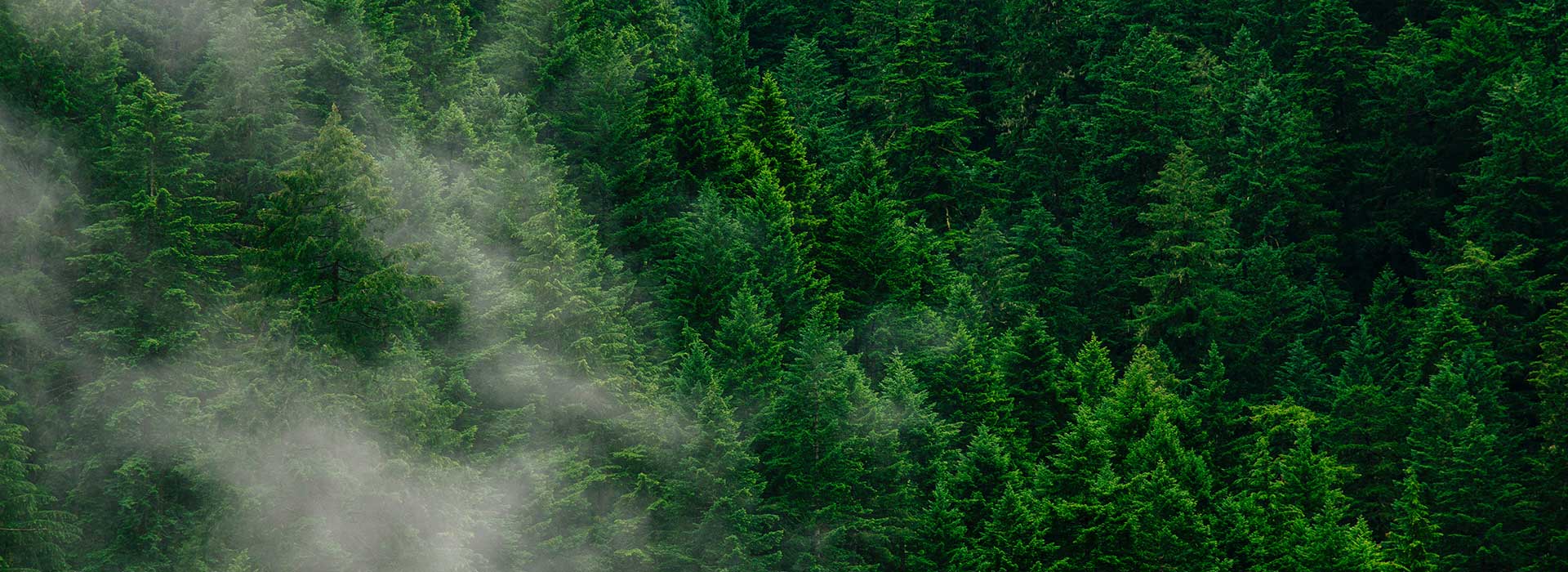
Image by Flickr user frielp.

< Previous: TerraPass welcomes new partner kW Engineering    Next: Today’s climate forecast: grim >

Comments


  • 1.

    It might be more pleasant to hug a thinner tree?


    Reply
  • 2.

    Just think, this could be significantly reduced if we let science, not politics and fear rule. If we use plants and abandoned farmland to lower our atmospheric co2 and no2 emissions. Hemp, based on research, not only will give you a headache, but sequesters between 11 and 15 metric tonnes of CO2 per hectare! Also legumes like clover ect sequester large amounts of NO2 and makes it available as nitrates to other plants. Both of these plants will grow like a weed without chemicals and together could help save the planet. Just a thought.


    Reply
  • 3.

    Eastern forests are not doing so well either. They are being beseiged by biomass burners/biomass gasifier shyster-promoters; they are "incinerators in disguise" with forests targeted for burning to make electricity in a not-so-carbon-neutral way. A complete life cycle, cradle to grave analysis would prove that bomass burning/gasification is not a carbon free process, is not carbon-neutral, and should not be touted as any kind of solution to global warming/climate change. The promoter/shyster opportunists making big proposals are in the game for the subsidies and grants, and don't care that your community would be left with debt, lowered property values and pollution problems. Let the trees grow, along with plants, and they'll sequester carbon very efficiently. If you cut them and burn or gasify them, you're adding to the problem, not solving it. Solar, wind, geothermal, water current, efficiencies, & conservation are the solutions.


    Reply
  • 4.

    The news is sad, but the post is extremely well written and funny!


    Reply
  • 5.

    How do you know it is not just a weather cycle if you have only studied it for 30 years? Where is the relevant data over the past 100+ years? Just curious as "global warming" is the big catch phrase of the day.


    Reply
  • 6.

    The effects of CO2 on the climate were first described by Nobel Prize winner Svante Arrhenius -- in 1896. Scientists have atmosphere and temperature records going back 600,000 years. What we're seeing now is not a weather cycle.


    Reply
  • 7.

    In the World Book Science Annual for 1983 there's an article entitled, "Warmer, Wetter Weather Ahead?" From 1880 to 1980 the average surface temperature of the earth increased by 0.4 degrees Celcius. James Hansen of NASA felt that the cause was CO2 buildup in the atmosphere. "In 1982, Hansen and his colleagues related this warming to the 12-centimeter rise in the global sea level observed since 1880. Hansen suspects that the temperature will rise so much by the year 2000 that scientists will have no doubt about the cause."

    I'm planning to write a letter of apology that my grandchildren can read as they watch Florida disappear: "Sorry for the disruption in your lives, but it was really cool buying stuff produced halfway around the world, then throwing it away and buying more. Good luck!"


    Reply

The comments section is now closed.


AddThis Feed Button
CATEGORIES

Conservation tips
News
Politics
Science & Technology
Society
TerraPass Answers